Lingering smoke odor that will not leave
We treat the source, not the air. Duct cleaning, encapsulant sealer on porous surfaces, thermal fogging, and hydroxyl generators run until air quality tests clean. We verify before we pull equipment.
When fire hits your building, every hour of downtime costs you. Commercial Fire Restoration MEDINA WA from our team means a crew on-site fast, soot and smoke contained before it spreads, and a clear path back to operating. We handle business fire damage restoration in MEDINA for retail, office, restaurant, and industrial spaces, working directly with your insurer and your schedule.
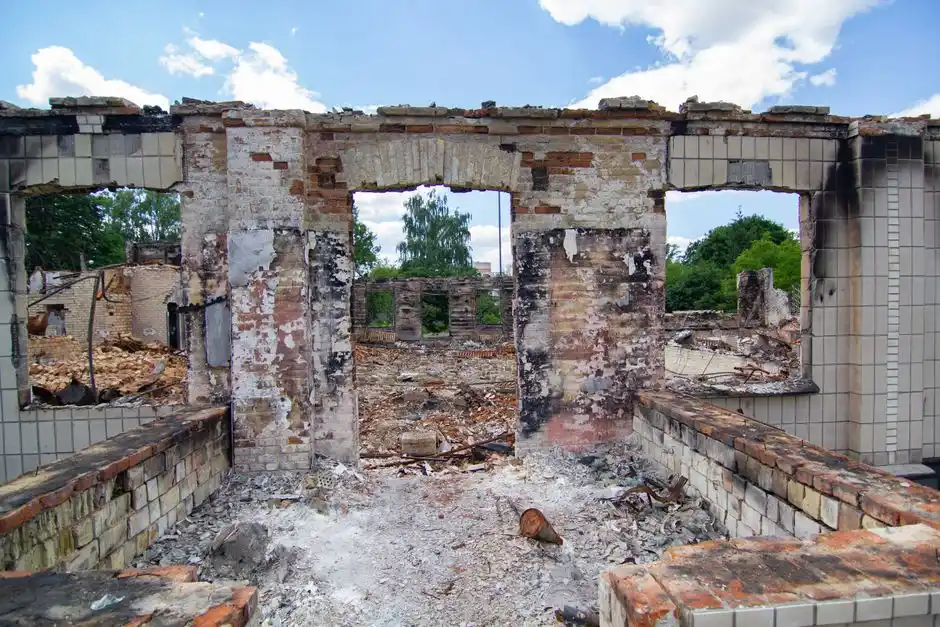
Commercial Fire Restoration MEDINA WA is the full-scope process of stabilizing a fire-damaged building, removing soot and smoke residue, drying water left by suppression, and rebuilding what burned. It is not a cleaning job. We start with a thermal imaging camera and moisture meter to map hidden heat damage and trapped water, then set negative air machines and air scrubbers with HEPA filters to stop cross-contamination between rooms. Charred framing, cracked drywall, and melted electrical wiring get documented and removed before anything is rebuilt.
Most MEDINA business fires we see start small: a kitchen flare-up, an electrical fault behind a wall, a dumpster fire that pulls smoke through the HVAC. Smoke travels. It stains ceilings, settles into insulation, and leaves lingering smoke odor in upholstery and ductwork long after flames are out. That is why business fire damage restoration MEDINA WA has to address air quality and odor, not just visible char. If you are searching for commercial fire restoration near me in MEDINA WA at 2 a.m., we answer and dispatch.
Every commercial fire loss is different, but the core scope is consistent. Here is what our commercial fire and smoke cleanup MEDINA WA crews handle as part of the standard job, and what we price separately after the walkthrough.
Plywood over openings, tarp on damaged roofing, and water stop. This happens the same night so rain and intruders do not add to the loss.
Soot sponges, HEPA vacuums, and removal of charred structural framing, cracked drywall, and unsalvageable insulation. Everything is photographed before it comes out.
Industrial dehumidifiers and air movers run until moisture meter readings normalize. This is the step that prevents mold growth after fire suppression.
Thermal fogging solution, ozone generators, hydroxyl generators, and charcoal odor absorbers, with air quality verified before equipment comes out.
Drywall, lumber, plywood, roofing shingles, and paint primer installed to King County code, with inspections scheduled as part of the job.
You call, we answer. Within the first conversation we collect the address, the building type, and whether the fire marshal has released the scene. We dispatch a crew and give you an arrival window, day or night.
We secure openings with plywood, tarp damaged roofing, and stop water intrusion. Then we walk the building with a thermal imaging camera and moisture meter, photograph every affected area, and map what is salvageable versus what has to come out.
Soot sponges and HEPA vacuums handle walls, ceilings, and contents. We pull smoke-damaged HVAC ducts, seal what can stay with encapsulant sealer, and set air scrubbers to keep the rest of the building clean while we work.
Firefighting water hides in insulation and subfloor. Industrial dehumidifiers and air movers run until moisture meter readings return to normal. Thermal fogging, ozone, and hydroxyl generators knock down odor, and we verify before removing equipment.
Drywall, paint primer, lumber, and roofing shingles go back in to code. We schedule inspections, walk the finished space with you, and hand over documentation for your insurer and your landlord.
Purpose-built equipment, used by trained technicians — so the job is done accurately the first time.
Finds hidden heat damage in walls and ceilings and maps water from suppression that a visual walkthrough would miss.
Creates pressure differentials and filters airborne soot with HEPA filters so contamination does not spread to clean rooms.
Dries insulation, subfloor, and framing after firefighting water soaks the assembly.
Neutralizes odor molecules in ductwork and soft goods. Hydroxyl units run safely in occupied-adjacent spaces.
Removes soot from walls, ceilings, and contents without smearing it into the finish.
Logs daily readings so drying is verified with numbers, not guesswork, before rebuild starts.
The drying and air movement equipment we deploy on commercial losses, sized to the square footage.
A grease fire on the line sent smoke through the dining room and into the duct run. Soot film covered the walls, and the hood system was coated.
Hood and duct cleaned, walls degreased and sealed, air scrubbers run for three days. Health inspection passed on the first visit and the dining room reopened in 11 days.
An electrical fault behind a wall scorched framing and cracked drywall. Suppression water sat in the ceiling tiles and insulation overnight.
Charred framing and drywall removed, moisture meter readings normalized after four days of drying, and the suite rebuilt to code. No mold found at the 30-day follow-up.
A dumpster fire against the building pulled smoke through the HVAC intake. Two neighboring units smelled smoke and one had soot on the ceiling grid.
Duct system cleaned and sealed, negative air kept the neighboring units open during the work, and air quality verified before equipment came out. Damaged unit reopened in nine days.
The fire is the emergency. These are the problems that decide whether you reopen in two weeks or two months.
Ask a pro →We treat the source, not the air. Duct cleaning, encapsulant sealer on porous surfaces, thermal fogging, and hydroxyl generators run until air quality tests clean. We verify before we pull equipment.
Soot sponges and HEPA vacuums go to work early in the job, before drying equipment stirs it around. Sealing follows cleaning so residue cannot resurface.
Thermal imaging camera and moisture meter readings map the water. Industrial dehumidifiers and air movers dry it out, and we log readings daily until the numbers are normal.
We pull and clean duct runs, seal with duct sealing tape and encapsulant where appropriate, and verify air quality before the HVAC goes back into service.
Most commercial jobs in this area run $8,000 to $60,000, with small office or retail losses near the low end and restaurant or multi-tenant buildings at the top. Square footage, soot spread, water damage, and whether the HVAC was affected drive the number. We give you a written scope and price after the walkthrough, before demolition starts.
We do. Our crews handle business fire damage restoration in MEDINA and across King County, including board-up, soot removal, drying, deodorization, and rebuild. Call (833) 929-6186 and we will confirm availability and give you an arrival window.
A single-room loss with light smoke damage is often 5 to 10 days. A full floor with structural damage and HVAC involvement runs 4 to 12 weeks. The biggest variable is how fast the fire marshal releases the scene and how fast your insurer approves the scope.
Most commercial property policies cover fire damage, smoke damage, and the water damage from suppression, minus your deductible. We document the loss to adjuster standards and bill the carrier directly where the policy allows, so you are not fronting the full cost.
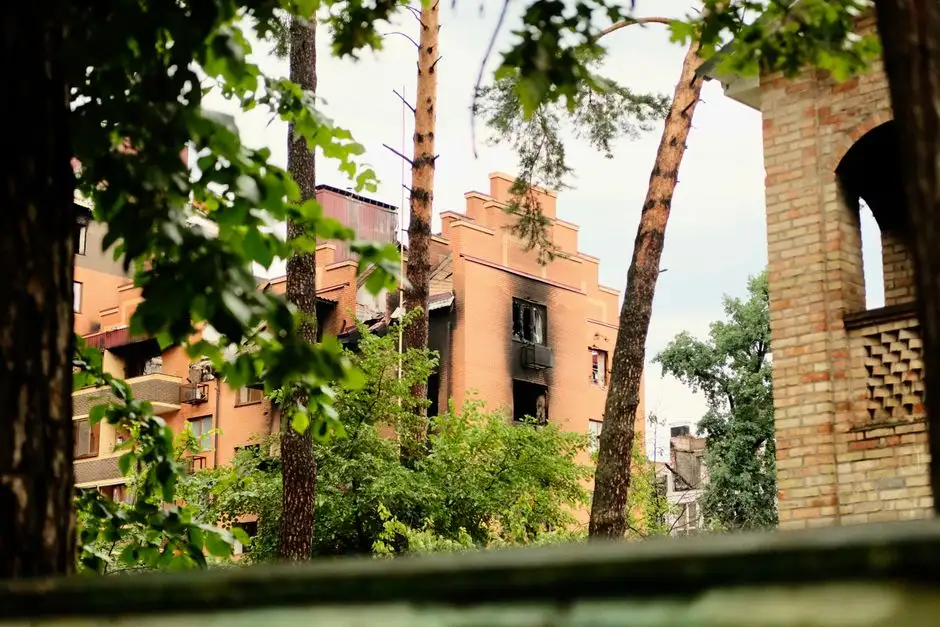 Smoke Damage RestorationSmoke residue reaches rooms the flames never touched. We clean and seal surfaces, run air scrubbers, and verify air quality so your staff is not breathing soot particles after reopening.Explore →
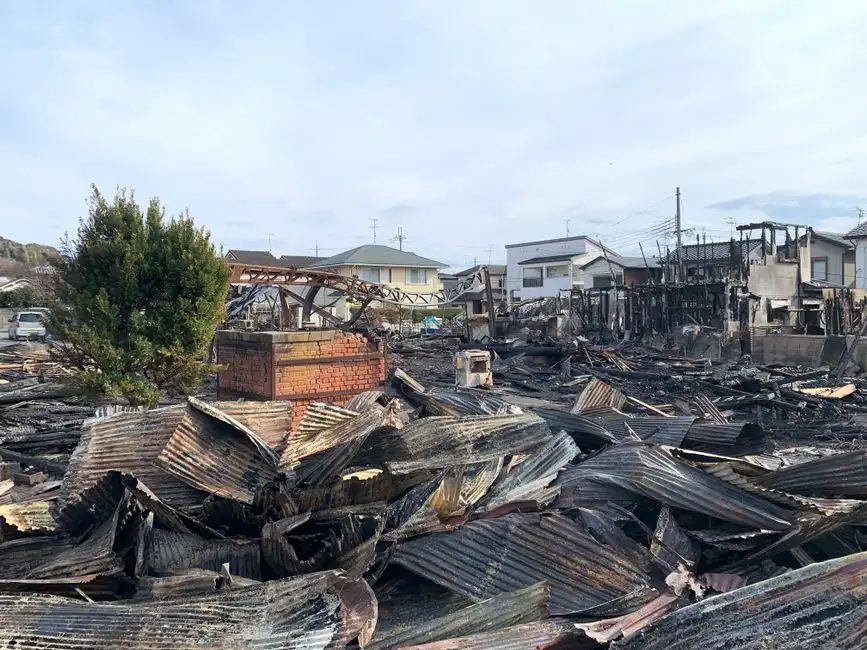 Fire Damage Clean UpDebris removal, charred material haul-off, and surface cleaning. This is the phase that makes the rebuild possible, and we sequence it so trades are not working around piles of burned material.Explore →
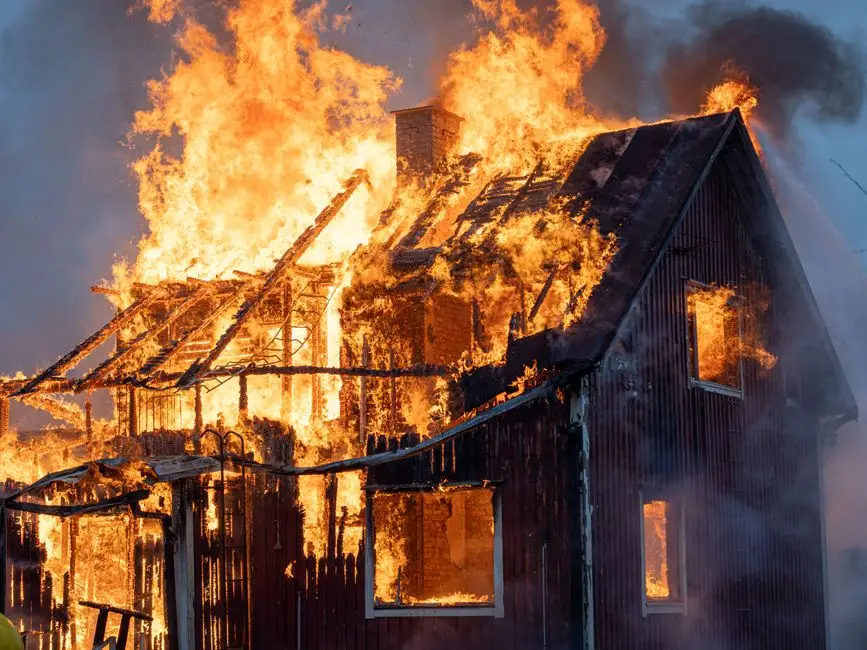 Emergency Fire Damage RestorationBoard-up, tarp-over, and water stop within hours of the call. Getting the building sealed fast prevents rain intrusion and further smoke migration through open walls.Explore →
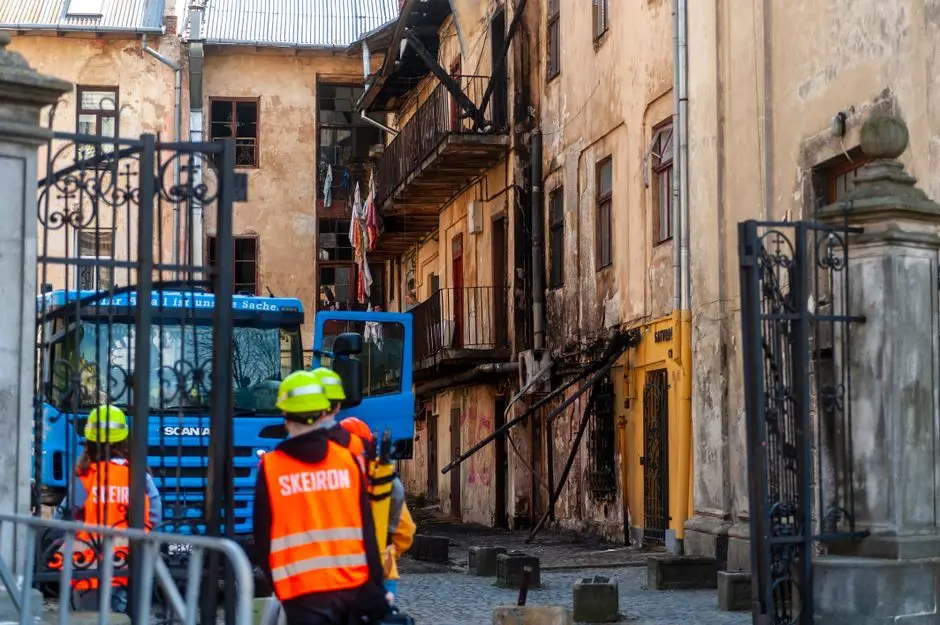 Structural Repair After FireFraming, drywall, roofing shingles, and paint primer put back to code. We schedule the inspections so your certificate of occupancy is not held up at the end.Explore →
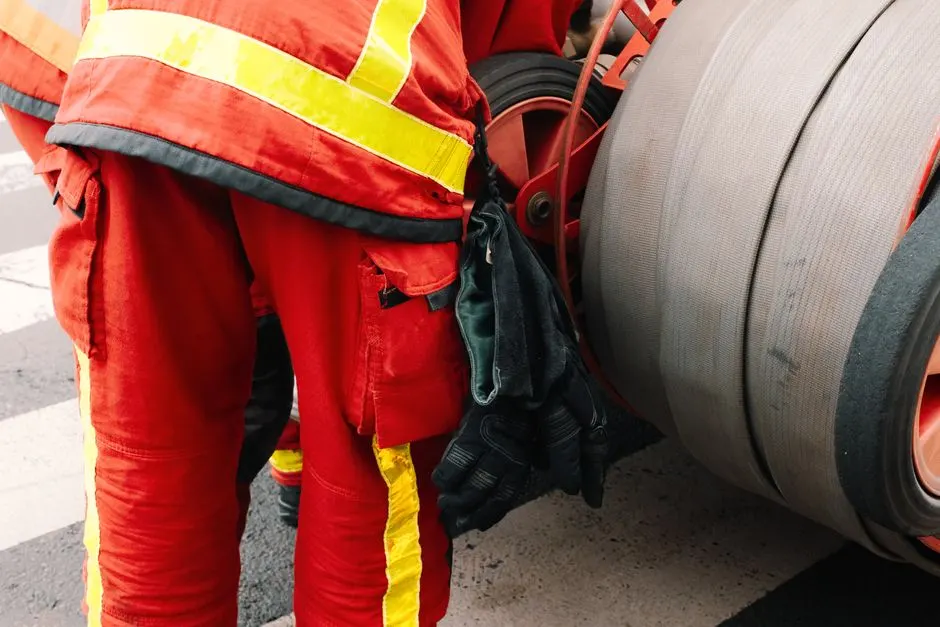 Odor Removal After FireThermal fogging, ozone, and hydroxyl treatment for the smell that survives surface cleaning. We verify before removing equipment, because a faint smoke odor is enough to lose a tenant.Explore →
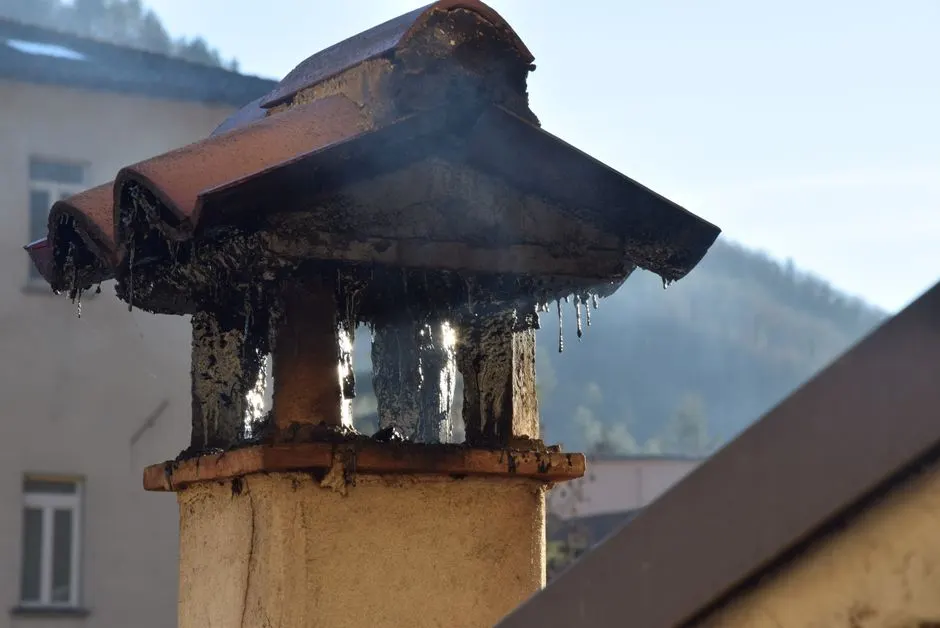 Soot RemovalSoot sponges, HEPA vacuums, and chemical sponges on walls, ceilings, and contents. Soot is acidic and etches finishes if it sits, so this happens early in the job.Explore →
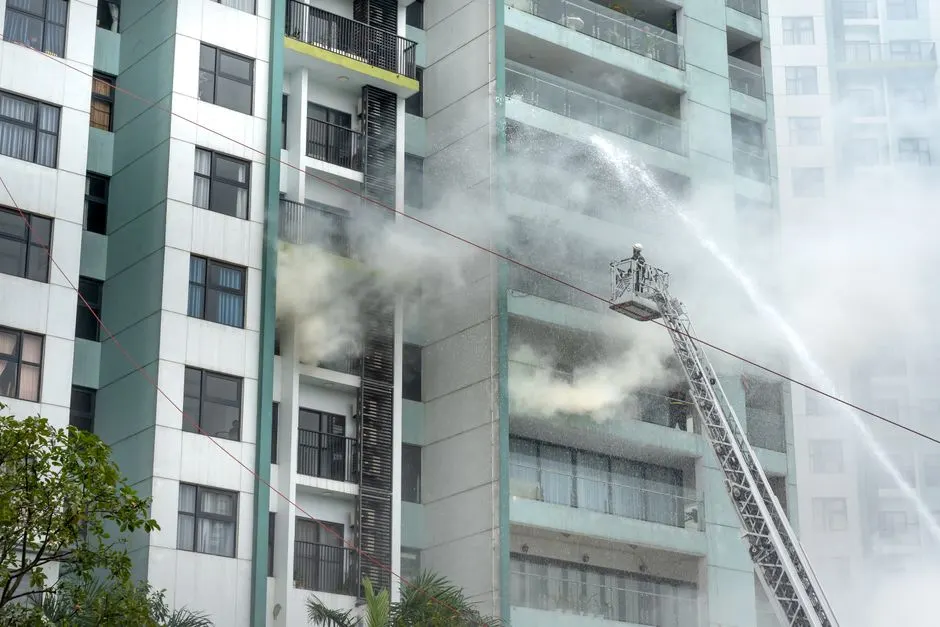 Smoke RemediationDuct cleaning, sealing with encapsulant, and air quality verification. Smoke-damaged HVAC ducts spread odor through the whole building every time the system runs.Explore →
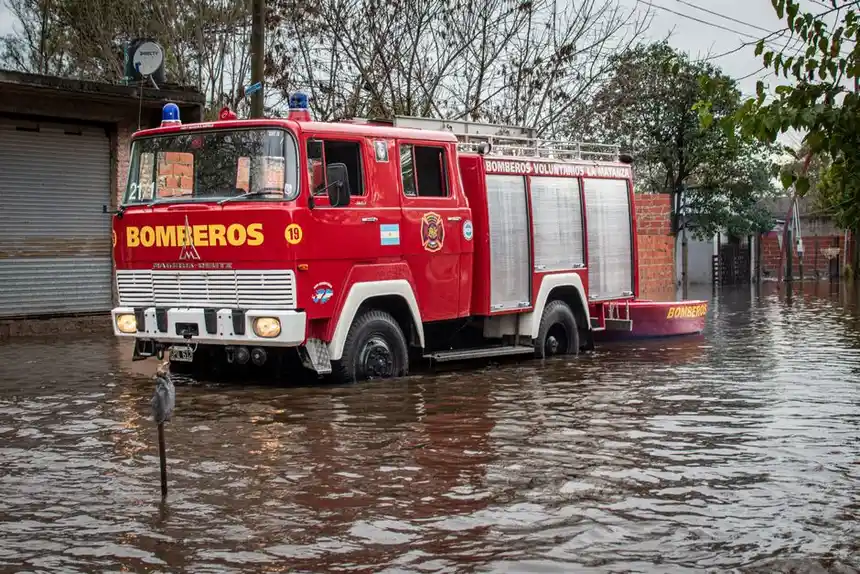 Fire and Flood RestorationWhen suppression water soaks insulation and subfloor, we dry with industrial dehumidifiers and air movers before rebuild. Skipping this step leads to mold growth after fire suppression.Explore →
One call gets a crew dispatched, the building secured, and the documentation started for your insurer. We answer 24/7 and give you a real arrival window, not a callback promise.
Call Now (833) 929-6186 →Call (833) 929-6186 any hour of the day. Our line is staffed 24/7, and we dispatch same-day across Medina, Downtown Medina, and the surrounding King County townships. If you prefer email, send photos and your address to info@firedamagerestorationmedina.com and we will call you back within the hour.