Lingering smoke odor that comes back when the heat runs
We seal and clean the ducts, replace HEPA filters, and run a hydroxyl generator for 24 to 48 hours. Charcoal odor absorbers stay in closets and cabinets until the smell is gone for good.
Electrical Fire Cleanup MEDINA WA starts with a full assessment of the damage, not a sales pitch. We pull soot off walls and ceilings, neutralize smoke odor at the source, and document every step for your insurance claim. Whether a breaker panel arced in a Downtown Medina home or a commercial kitchen outlet shorted overnight, our team handles the cleanup and the electrical fire damage restoration in MEDINA WA so you can get back inside safely.
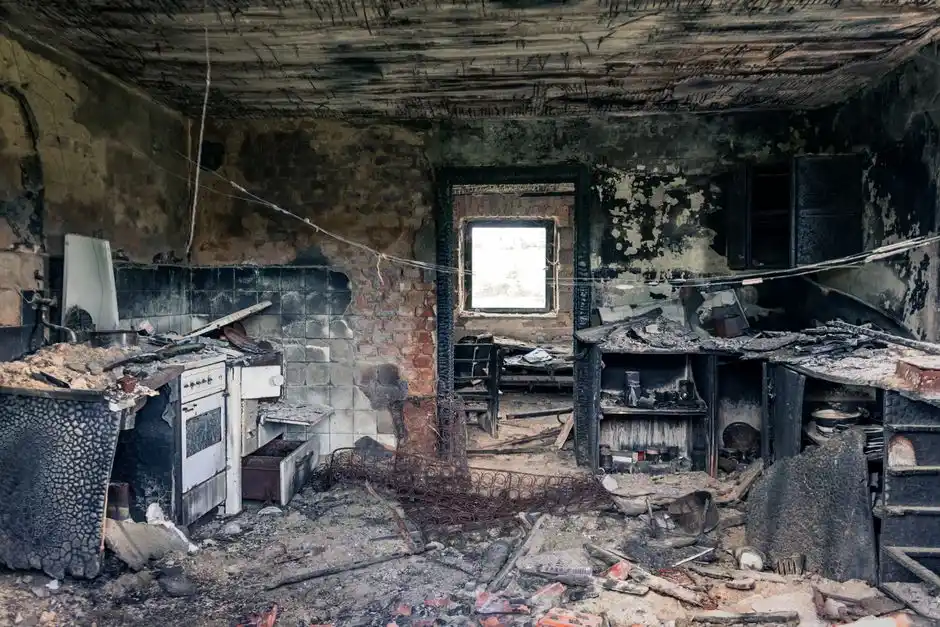
Electrical Fire Cleanup MEDINA WA is the process of removing soot, char, smoke residue, and contaminated materials after an electrical fire, then restoring the structure so it is safe to occupy. It is not the same as wiping down walls. We use thermal imaging cameras to find hidden hot spots inside walls, HEPA vacuums to capture fine soot particles, and air scrubbers to pull smoke out of the air. Every job starts with a room-by-room damage map and ends with a clearance check before we hand back the keys.
Most electrical fires in MEDINA start behind a wall or inside an appliance, so the visible damage is only part of the story. Smoke travels through HVAC ducts and settles into insulation, which is why lingering smoke odor shows up days later in rooms that never burned. If you search for electrical fire cleanup near me in MEDINA WA after a panel fire, you need a crew that understands how smoke moves through a house. We trace the path, seal the ducts, and treat the air before we call the job done.
Every electrical fire cleanup job includes the core work: assessment, containment, soot removal, odor treatment, and documentation. What varies is the scope, which depends on how far the smoke traveled and how much structural material was burned. Here is what is covered on a typical job.
We walk the property with a thermal imaging camera and moisture meter, mark every affected surface, and photograph the damage. You get a written scope before any work begins.
Negative air machines and plastic barriers keep soot from spreading. Air scrubbers with HEPA filters run continuously until the air is clear.
We remove charred drywall, insulation, and lumber, then clean the remaining surfaces with soot sponges and HEPA vacuums. Every cavity gets inspected before it is closed.
Thermal fogging, hydroxyl generators, and charcoal odor absorbers work together to eliminate smoke odor at the source instead of masking it.
Smoke travels through ducts. We seal the ducts, replace HEPA filters, and clean the system so smoke odor does not come back when the heat turns on.
We provide photos, moisture readings, and a written scope that matches what your adjuster needs. You get a complete package at the final walkthrough.
You call, we ask a few questions about the fire, the room, and whether the power is off. A technician arrives, walks the property with a thermal imaging camera, and marks every area with soot, char, or smoke damage. This usually takes 45 minutes to an hour.
Before we touch anything, we set up negative air machines and plastic containment barriers so soot does not migrate into clean rooms. Air scrubbers with HEPA filters start running immediately. This step protects the rest of your home while we work on the damaged area.
We remove charred drywall, insulation, and lumber with a drywall saw and pry bar, then bag it for disposal. Soot sponges and HEPA vacuums handle the surfaces we are keeping. Every cavity gets inspected with a moisture meter before we close it back up.
Smoke odor lives in porous materials, so we treat the air and the surfaces. Thermal fogging reaches into crevices, and a hydroxyl generator runs for 24 to 48 hours to break down odor molecules. Charcoal odor absorbers stay in closets and cabinets until the smell is gone.
We do a final pass with the thermal camera and a particle counter, then walk you through every room. You see what was removed, what was cleaned, and what still needs a rebuild. We hand over the documentation package for your insurance claim at the same visit.
Purpose-built equipment, used by trained technicians — so the job is done accurately the first time.
Finds hidden hot spots inside walls and ceilings so we do not miss damage that is not visible to the eye.
Captures fine soot particles without blowing them back into the air. Used on every surface we are keeping.
Runs continuously during the job to pull smoke particles out of the air and keep them from settling in clean rooms.
Breaks down odor molecules at the source. Runs for 24 to 48 hours in the affected area after the soot is removed.
Creates negative pressure in the work area so soot and smoke cannot migrate into the rest of the home.
Removes moisture left behind by firefighting water so mold does not start growing in the walls.
Lift dry soot off walls and ceilings without smearing it. The first line of defense on every surface we clean.
An outlet in a 1960s bedroom arced and caught the curtain. The fire was out in minutes, but soot covered the walls and ceiling, and the smoke smell had moved into the closet and the hallway. The homeowner was worried the whole room would need to be gutted.
We removed the charred drywall around the outlet, cleaned the remaining surfaces with soot sponges, and treated the room with a hydroxyl generator for 36 hours. The framing was saved, the odor was gone, and the rebuild was limited to one wall and a new outlet.
A commercial panel fire filled the unit with smoke and left soot on every surface. The business was shut down, and the owner needed the space back fast. The HVAC system had pulled smoke into the office area.
We contained the work area, cleaned the ducts, replaced the HEPA filters, and ran air scrubbers for three days. The air quality was back to normal, the soot was removed, and the business reopened in five days instead of the two weeks the owner had expected.
An old attic wire shorted and charred the insulation and several joists. The fire never broke through the roof, but the smoke smell had settled into the attic and was starting to show up in the upstairs bedrooms.
We removed the charred insulation and lumber, inspected the framing with a moisture meter, and treated the attic with thermal fogging and charcoal odor absorbers. The framing was saved, the odor was gone, and the rebuild cost stayed under $4,000.
Electrical fires leave behind problems that are not always obvious on the first walkthrough. Here are the ones we see most often in MEDINA, and how we handle them.
Ask a pro →We seal and clean the ducts, replace HEPA filters, and run a hydroxyl generator for 24 to 48 hours. Charcoal odor absorbers stay in closets and cabinets until the smell is gone for good.
We use dry soot sponges and HEPA vacuums to lift the residue without spreading it, then seal the surface with an encapsulant sealer so it cannot etch the material underneath.
We remove the soot, document the condition of the wiring, and coordinate with a licensed electrician for the final safety call. The affected circuits are usually replaced, not reused.
We extract the water, set up industrial dehumidifiers and air movers, and monitor the moisture readings daily until the structure is dry. If mold has already started, we treat it before the rebuild.
Most residential jobs run $1,800 to $6,500 in 2026, depending on the size of the affected area and how far smoke traveled. A single-room outlet fire is on the low end; a panel fire that pushed smoke through HVAC ducts is on the high end. We give you a written scope before work starts, and we document everything so your insurance claim reflects the real cost.
Our team does. We are based in MEDINA and serve the surrounding King County area, including Downtown Medina, Medina Square, and the Lake Medina Area. We are IICRC FSRT certified, licensed in Washington State, and available 24/7 for emergency calls. Call (833) 929-6186 and we will dispatch a technician the same day.
Sometimes, but only after an electrician inspects it. Soot is acidic and corrodes copper, so any wiring exposed to smoke needs to be tested before it goes back into service. We remove the soot and document the condition of the wiring, but a licensed electrician makes the final call on reuse. In most panel fires, the affected circuits are replaced.
Yes, in most cases. Standard homeowner and commercial policies cover fire damage cleanup, including soot removal, odor treatment, and structural drying. We work directly with adjusters, provide photo documentation and moisture readings, and write a scope that matches what the carrier needs. Call us before you file so we can walk you through what to expect.
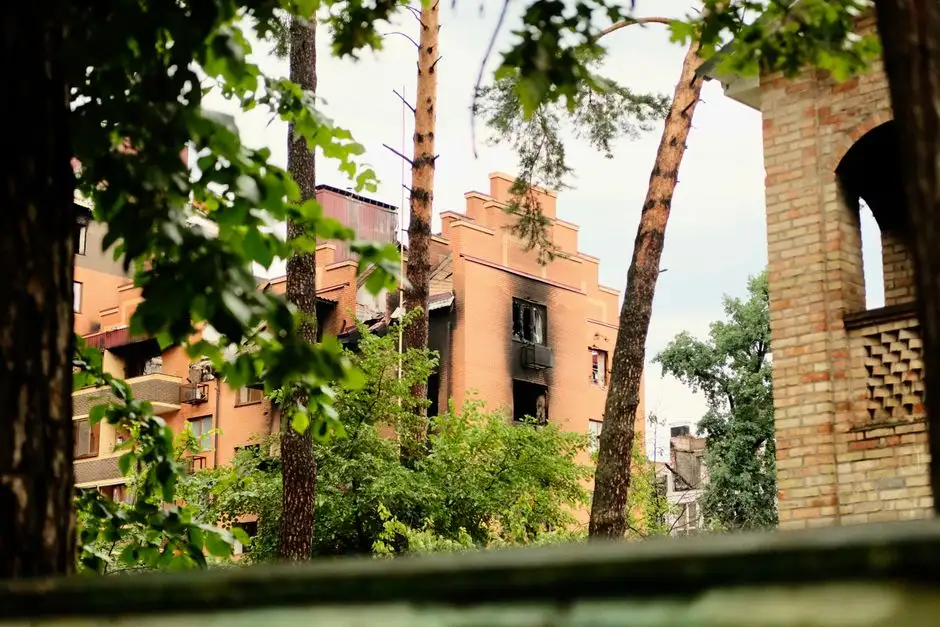 Smoke Damage RestorationSmoke travels farther than fire. After an electrical fire in MEDINA, we treat walls, ceilings, and contents in rooms that never saw flame, using thermal fogging and hydroxyl generators to clear the odor at the source.Explore →
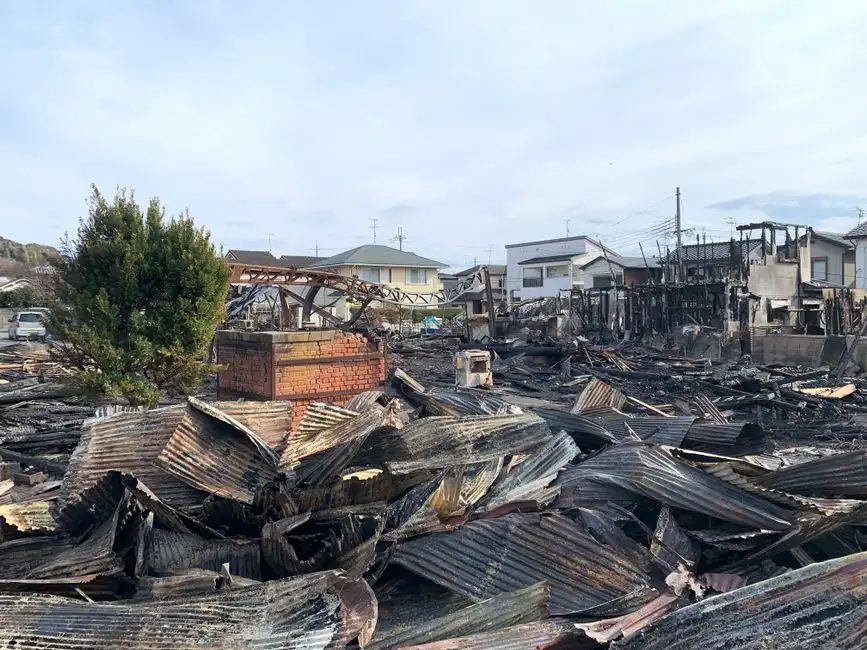 Fire Damage Clean UpWhen the fire is out but the mess is not, our fire damage clean up crew removes char, ash, and debris, then hauls it away. We handle the heavy work so you are not filling dumpsters yourself after a MEDINA electrical fire.Explore →
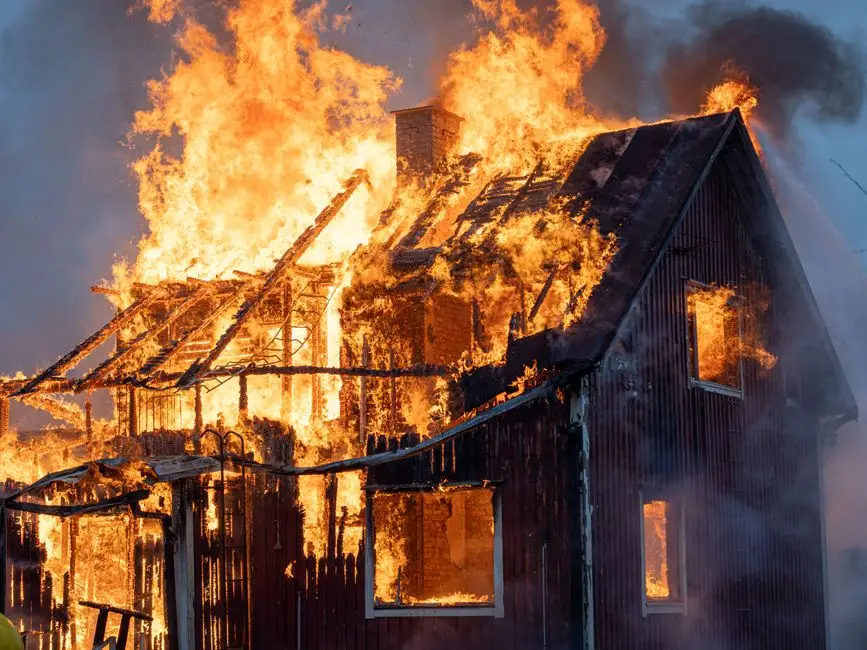 Emergency Fire Damage RestorationElectrical fires often leave a structure unsafe to enter. Our emergency crew boards up openings, shuts off utilities, and stabilizes the building before the cleanup begins, usually within 90 minutes of your call in MEDINA.Explore →
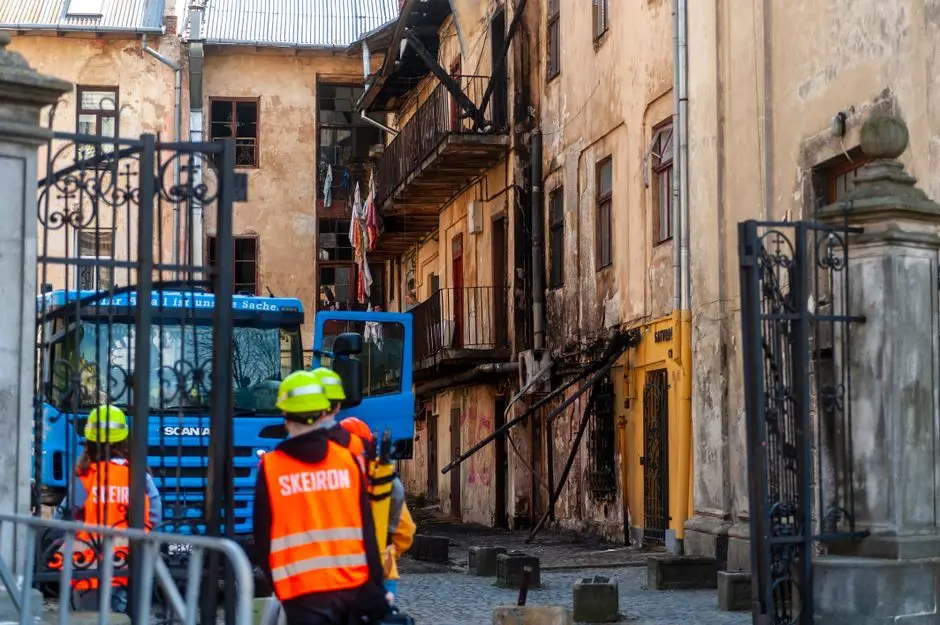 Structural Repair After FireOnce the soot is gone, charred framing, drywall, and roofing shingles need to be replaced. We handle structural repair after fire so your MEDINA home is code-correct and ready for occupancy, not just cleaned.Explore →
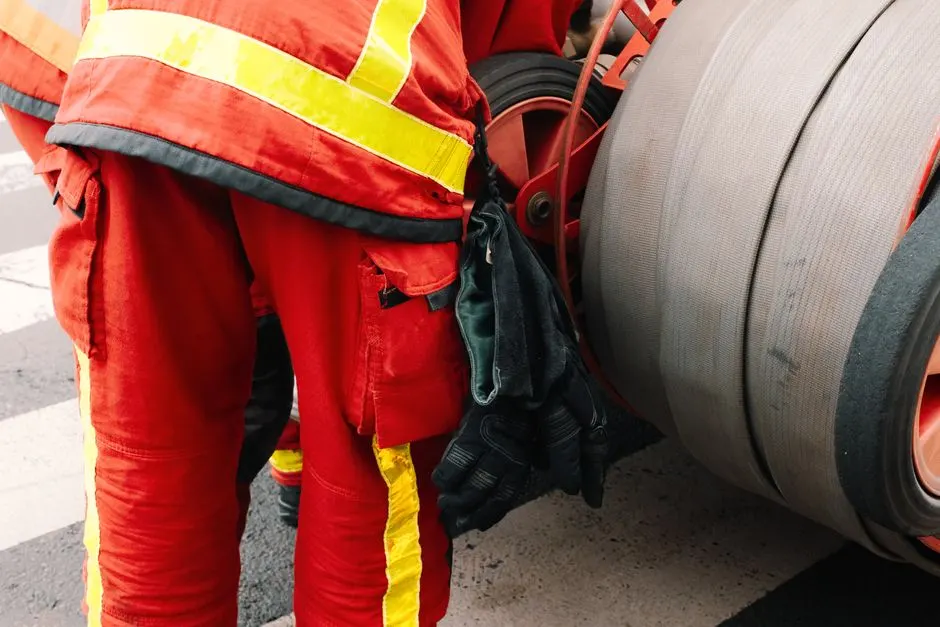 Odor Removal After FireSmoke odor comes back when the heat turns on if it was not treated properly. Our odor removal after fire service uses ozone generators, hydroxyl generators, and charcoal odor absorbers to eliminate the smell instead of masking it.Explore →
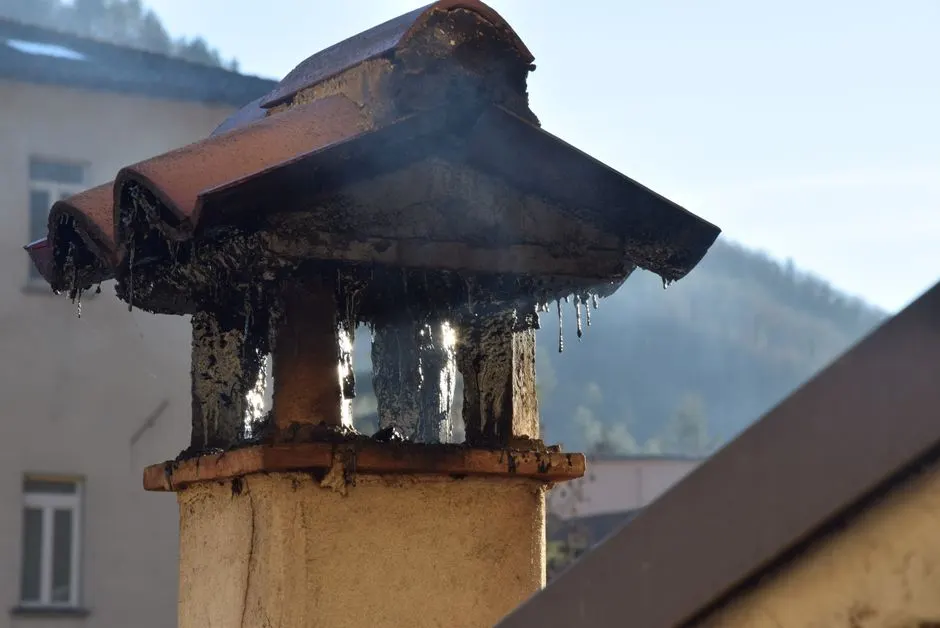 Soot RemovalSoot from an electrical fire is fine, acidic, and sticks to everything. We use soot sponges, HEPA vacuums, and encapsulant sealer to remove it from walls, ceilings, and contents without spreading it around your MEDINA home.Explore →
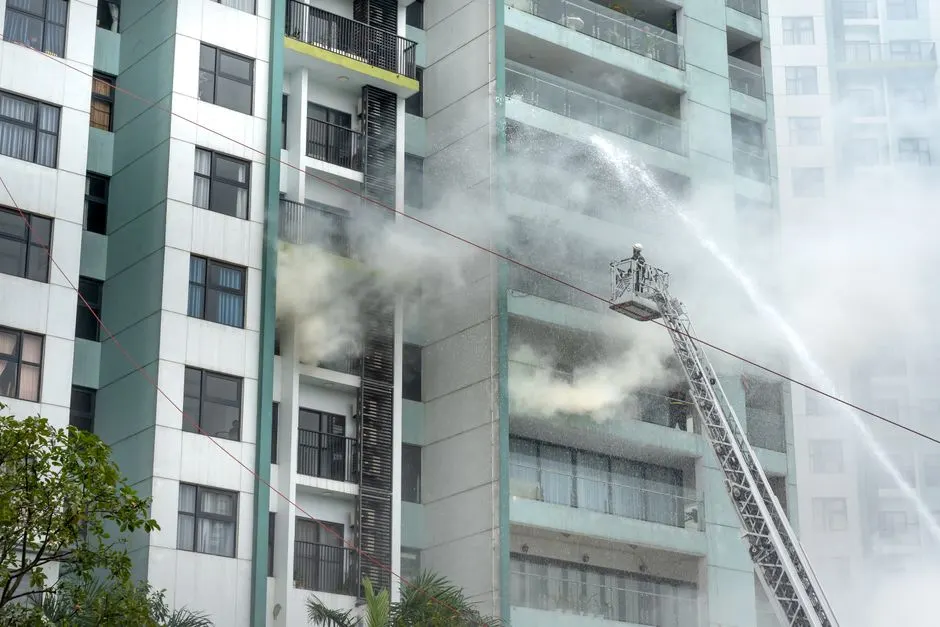 Smoke RemediationSmoke remediation focuses on the air and the porous materials smoke settles into, including insulation, upholstery, and HVAC ducts. We seal the ducts, replace HEPA filters, and treat the air until particle counts return to normal.Explore →
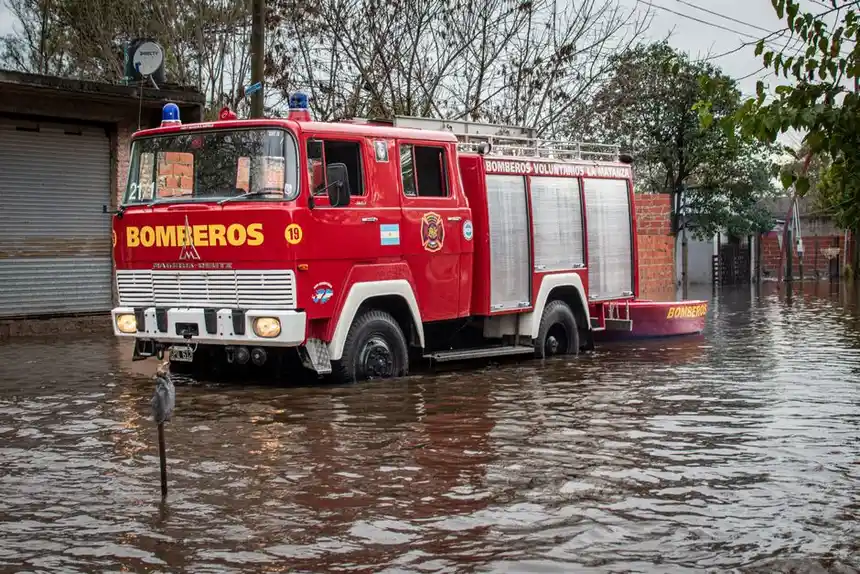 Fire and Flood RestorationFirefighting leaves water behind. After an electrical fire in MEDINA, we extract standing water, dry the structure with industrial dehumidifiers and air movers, and treat for mold growth before it starts.Explore →
Soot and smoke damage get worse with every hour. Call (833) 929-6186 and we will dispatch a certified technician to your MEDINA property the same day. We document everything for your insurance claim and give you a written scope before work begins.
Call Now (833) 929-6186 →Call (833) 929-6186 any hour of the day. Our line is staffed 24/7, and we dispatch same-day across Medina, Downtown Medina, and the surrounding King County townships. If you prefer email, send photos and your address to info@firedamagerestorationmedina.com and we will call you back within the hour.